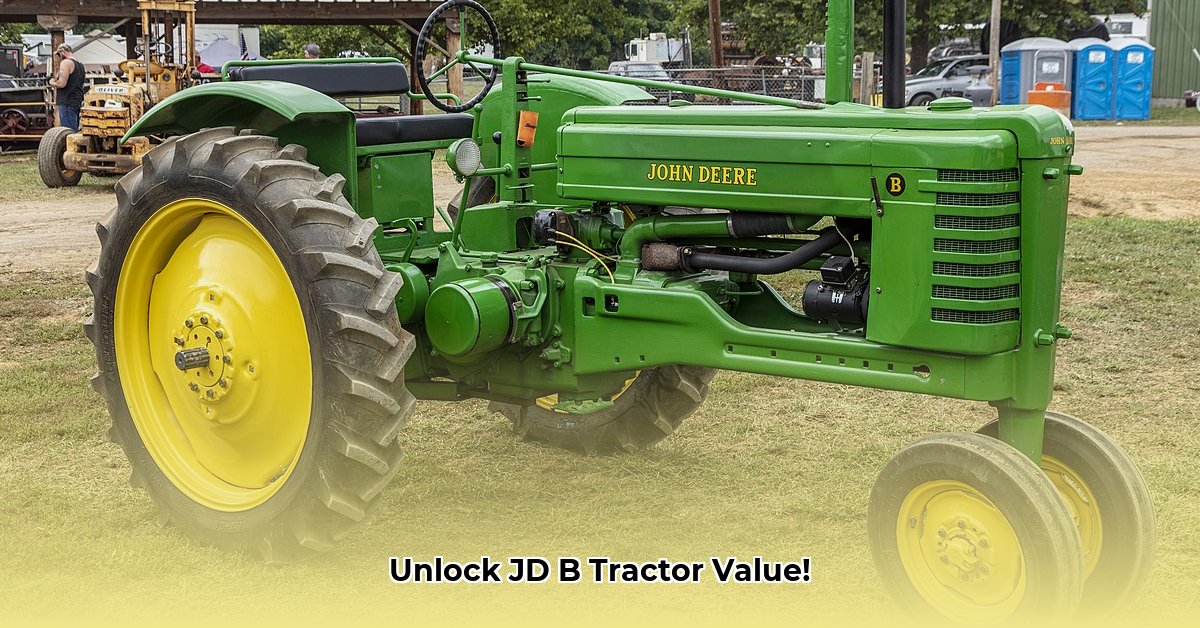
The John Deere Model B, a legend in the agricultural world, produced from 1937 to 1952, is now a sought-after collectible. This guide provides a comprehensive overview of buying, selling, and restoring these iconic tractors, equipping both novice enthusiasts and seasoned collectors with the knowledge to navigate this unique market effectively. For information on another classic tractor, check out this Ford Major guide.
Identifying Your John Deere Model B: Three Distinct Eras
The Model B's production spanned three distinct styling phases, each affecting its value and desirability. Careful identification is key:
Unstyled (1937-1939): Characterized by a boxy, utilitarian design, these early models appeal to purists seeking an authentic representation of early agricultural engineering. Note their simple lines and lack of intricate curves.
Early Styled (1940-1947): A noticeable refinement marks this phase. The design becomes slightly sleeker, incorporating a more sculpted hood and more elegant fenders. This era showcases the evolution of Model B aesthetics.
Late Styled (1948-1952): Representing the pinnacle of Model B styling, these tractors boast bolder fenders and a more pronounced hood, conveying a more robust and confident image. Upgraded features often accompany these later models, enhancing their desirability and value.
(Insert images of Unstyled, Early Styled, and Late Styled JD B Tractors here)
JD B Tractor Market Analysis: Factors Affecting Price
The Model B market, while active, lacks standardization in valuation. Several key factors influence price:
Condition: A meticulously maintained tractor in excellent condition will command a significantly higher price than one neglected or showing significant wear. A "barn find" (untouched original) can fetch a premium.
Hydraulics: The presence of hydraulics significantly increases a tractor's value due to enhanced versatility and functionality.
Synchromesh Transmission: This feature greatly improves performance and handling, adding considerable value to the tractor.
Model Year: While condition is paramount, later-model tractors (in excellent condition) generally command higher prices, though exceptions exist based on unique preservation.
(Insert chart/graph illustrating price trends and variations based on condition, features, and model year here)
Rhetorical Question: Considering the varied condition and optional features across Model B tractors, how can buyers and sellers accurately assess fair market value?
Buying a John Deere Model B: A Step-by-Step Guide
Locate Tractors: Explore online marketplaces (e.g., TractorHouse, eBay), attend farm auctions, and network with private sellers. Word-of-mouth can be surprisingly effective.
Pre-Purchase Inspection: This is crucial. Engage a trusted mechanic for a comprehensive mechanical inspection. Assess cosmetic condition for rust, damage, and missing parts. Don't overlook small details.
Negotiate Price: Research comparable sales to establish a realistic price range. Be prepared to walk away from over-priced tractors.
Interpret Serial Number (if available): While challenging, a tractor's serial number can reveal manufacturing date and potentially some features. However, decoding such information requires specialized knowledge and resources.
Selling Your John Deere Model B: Maximizing Value
Create a Compelling Listing: High-quality photographs are essential. Provide detailed descriptions of condition, features, and restoration work, honestly highlighting any flaws. Detailed descriptions enhance buyer confidence.
Price Strategically: Research comparable sales to determine a competitive yet fair price. Avoid underselling.
Choose Auction Format Wisely: If using an auction, thoroughly research the platform's reputation and fees.
Restoring Your John Deere Model B: A Rewarding Journey
Source Parts: This can be challenging. Utilize John Deere parts suppliers, online communities dedicated to classic tractors, and salvage yards. Be prepared for a search that spans weeks or months.
Address Common Challenges: Rust is a significant adversary. Expect worn or missing parts. Consider professional restoration assistance if needed.
Best Practices: Detailed planning, meticulous documentation, and consultation with experienced restorers are highly recommended.
Conclusion: Navigating the Market with Confidence
The John Deere Model B market offers both significant rewards and potential risks. Careful research, thorough due diligence, and a realistic understanding of market fluctuations are crucial for success. This guide provides the foundational knowledge to navigate this rewarding but complex market with confidence. The investment in thorough research will significantly increase your chances of a positive outcome. Remember, patience and persistence are invaluable assets in this field.